Restore SNAP, Then Do Better
Families Need Help Now, And a Fair Shot at Not Needing It Tomorrow

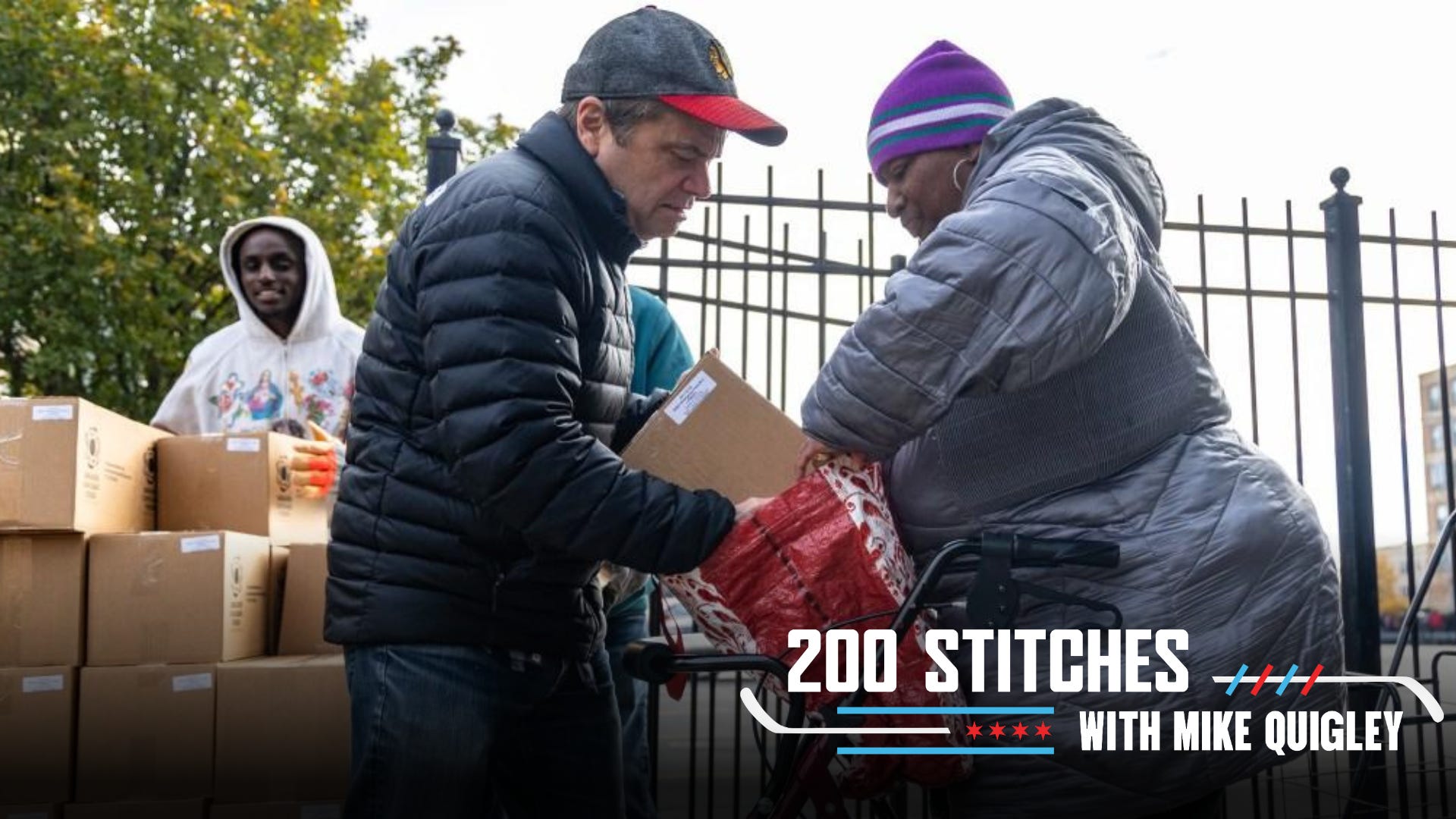
People were already in line at St. Sabina in Auburn Gresham before sunrise when I arrived for my volunteer shift. The line was down the block and growing. Folks weren’t there for anything extra. They were there for a box of food. One box.
As I helped distribute boxes with the Greater Chicago Food Depository and local parishioners, I had the opportunity to listen. I asked what the SNAP cuts would mean for them.
Nobody talked about policy. Instead, they talked about being full-time caregivers, skipping meals, stretching what they had, and choosing between food and medication.
This was back in November.
Today as many as 150,000 people across Chicago and Illinois are losing their access to SNAP benefits because of stricter work requirements in the so-called “One Big Beautiful Bill.” This is happening as we head into summer, when kids are out of school and families lose access to school meals. On top of that, these cuts are coming at a time when most Americans are already stretched thin, dealing with rising costs, stagnant wages, and the ripple effects of a costly, illegal war driving gas prices to more than $6 per gallon at some pumps in Chicago. Grocery bills are going up, not down.
Let me be clear: This is a matter of choice.
Food pantries are already stretched thin, serving nearly 200,000 households a month and bracing for more.
We’ve seen this before. And Chicago always responds the same way. When systems fail, people step up to support one another. Restaurants open their doors, small businesses offer free meals. Neighbors help neighbors. That’s who we are.
But local generosity is not a substitute for government responsibility. We should not be asking restaurants and food pantries, both running on slim margins to survive, to do the jobs of elected leaders. The federal government should provide a safety net for folks when they need it.
SNAP helps feed more than 1.8 million people in Illinois while supporting local businesses along the way. Every dollar spent generates about $1.50 in economic activity. You see it at farmers markets across Chicago, where programs double or even triple SNAP dollars. Families can afford fresh food, and local growers gain steady customers.
And for children, the impact is immediate. When school is out, millions of kids rely on summer nutrition programs to fill the gap. That’s why I have supported efforts like the Summer Meals Act. No child should lose access to food just because the school year ends. Cutting SNAP as families head into summer is simply cruel.
So where do we go from here?
First, we fix the damage in front of us. We restore SNAP funding immediately. I am cosponsoring legislation to reverse these cuts and get food back on the table for Chicagoans who need it. These families, including a lot of children, rely on this program right now. They do not have a backup plan.
But if we stop there, we are missing the point. The people I spoke with that cold November morning did not want to rely on SNAP. They want to earn enough to take care of their families. They want to buy groceries without worrying that the help they depend on might disappear. They want stability.
And that is the bigger truth. SNAP is the safety net. The fact that so many people need it tells you what is broken.
So we do both. We restore SNAP, and we build an economy where fewer families need it just to get by.
That means putting more money in people’s pockets by:
Making the expanded Child Tax Credit permanent after we saw it cut child poverty in half;
Strengthening the Earned Income Tax Credit, so work actually pays;
Investing in child care so parents can stay in the workforce; and
Rapidly increasing our housing stock so the rising rents and property taxes that are squeezing families across Chicago come down.
These issues are connected. When housing costs rise and wages don’t, more and more families end up in that line at five in the morning.
So here is the bottom line: We need to restore SNAP immediately because families need help now, especially heading into summer. But we also need to fix the pernicious issues causing this country’s radical economic inequality so fewer families are forced to rely on it in the first place.
The people standing in that line at St. Sabina are like anyone else in this city: They work hard. They love their kids. They do whatever they have to put food on the table for their families. They need our support, and deserve to be treated with dignity.
I know there is always more I can do. That’s why I’m not going to stop fighting until we get this right.
—Mike Quigley